Contrastive Learning for Large-scale Color-Name Dataset: Tackling Sparsity with Negative Sampling
Kecheng Lu, Yue He, Yunhai Wang
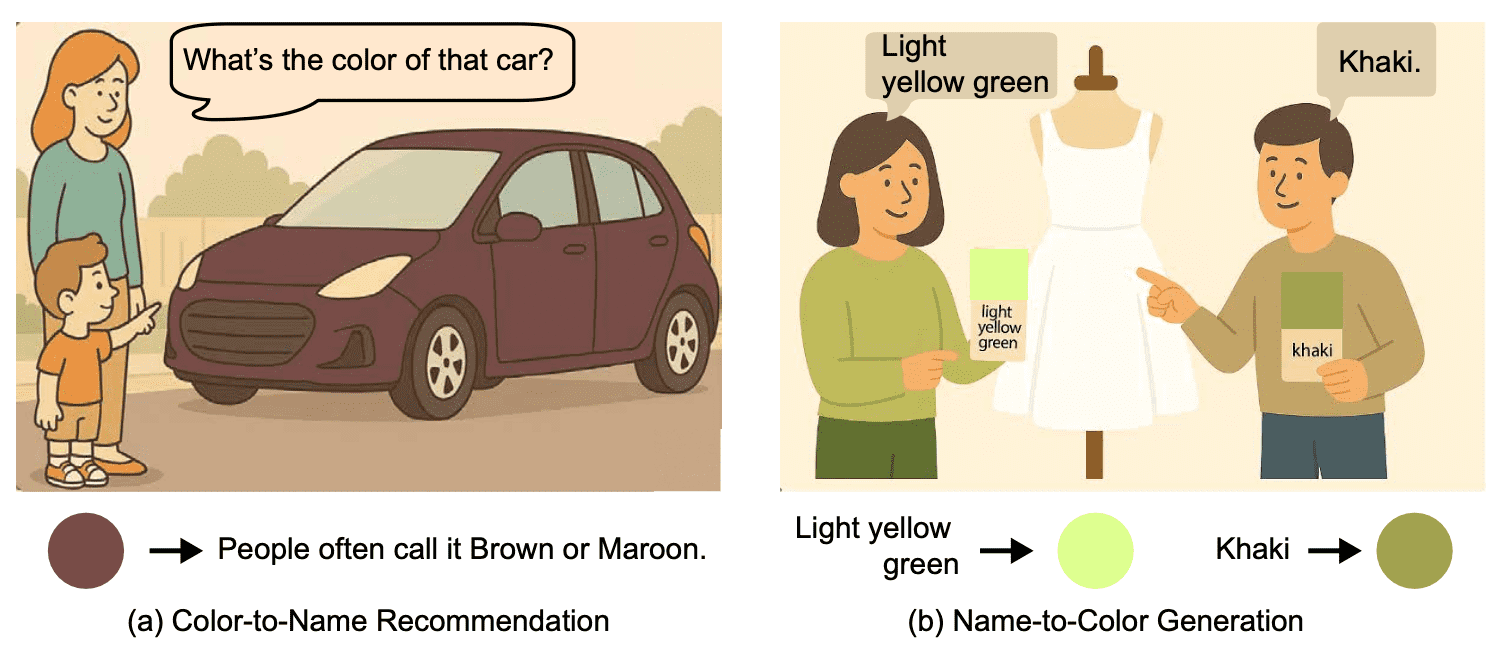
Figure 1: Suggesting names for a color and finding colors that fit a description.
Abstract (Summary)
This work learns a shared representation of colors and their names from sparse, uneven crowdsourced observations. Text and RGB encoders align matching examples while negative samples help distinguish unsuitable associations. A separate generator predicts RGB values from text, and joint training supports both naming a supplied color and producing colors from a description. Evaluation on the XKCD dataset reports improved recommendations and lower perceptual error compared with prior approaches, with 71.26% top-ten naming accuracy and a CIELAB error of 26.61 for generated colors.
Links
Figures
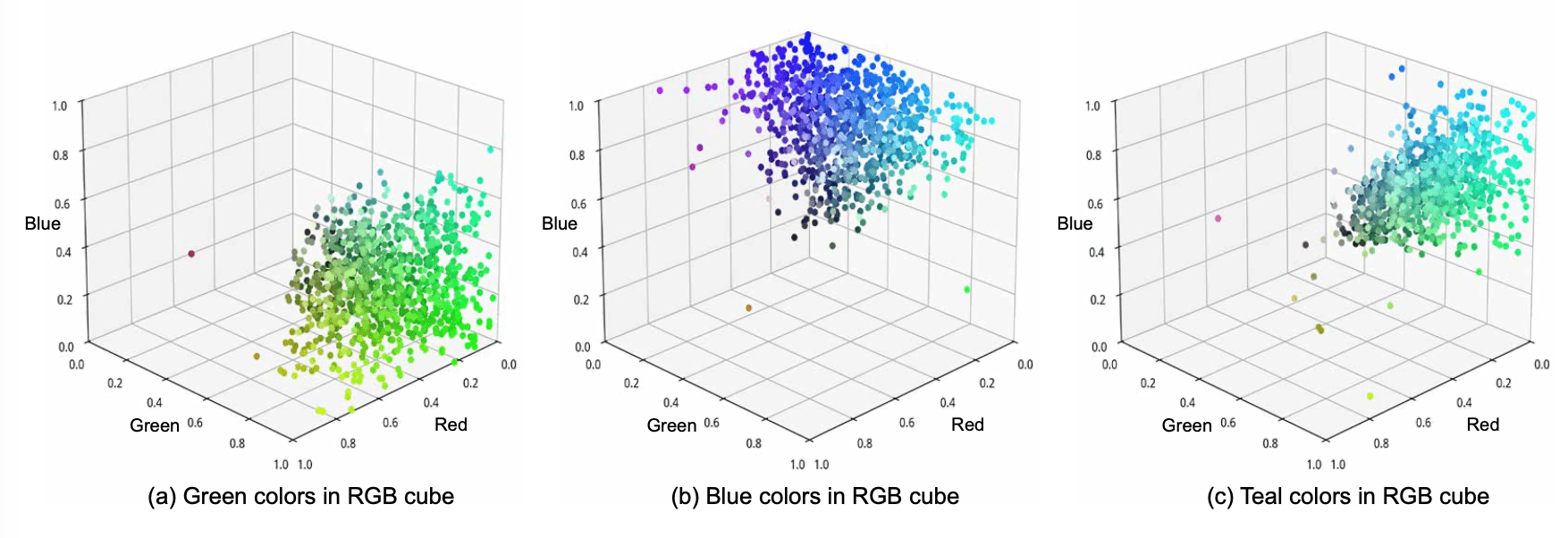
Figure 2: RGB samples associated with three different color terms.
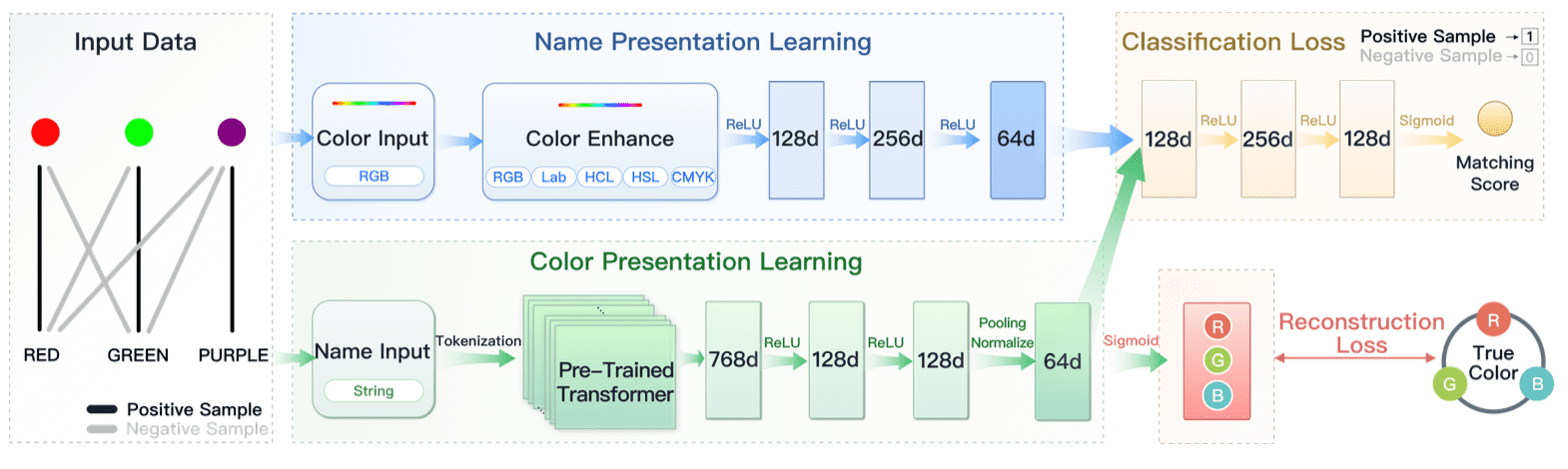
Figure 3: Encoders, training objectives, and RGB prediction in the proposed system.
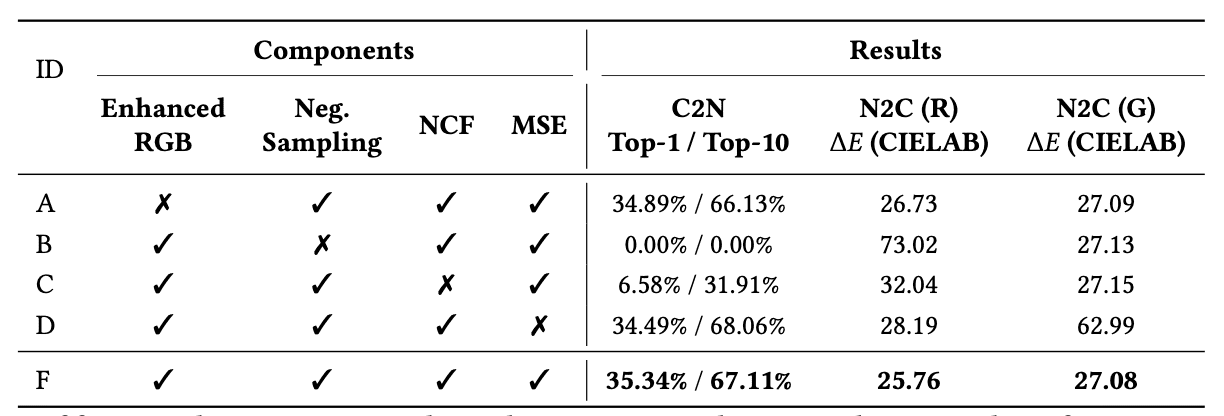
Table 1: Effects of removing individual model components.
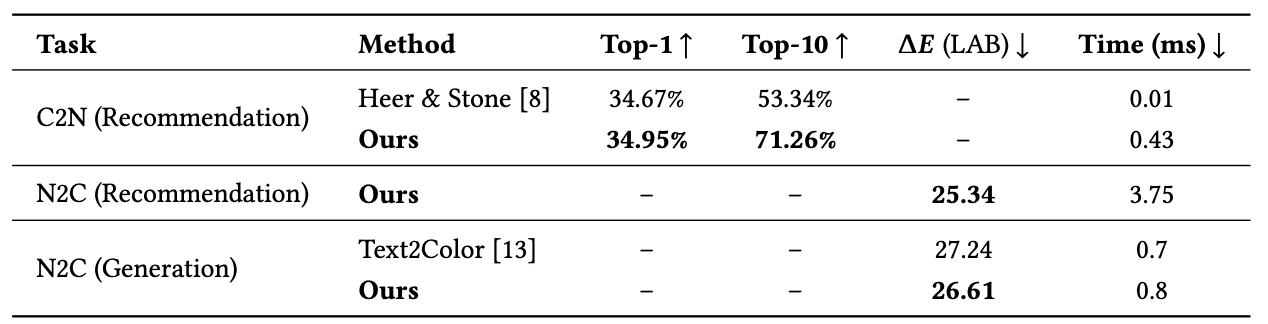
Table 2: Naming accuracy, perceptual error, and query time on held-out data.
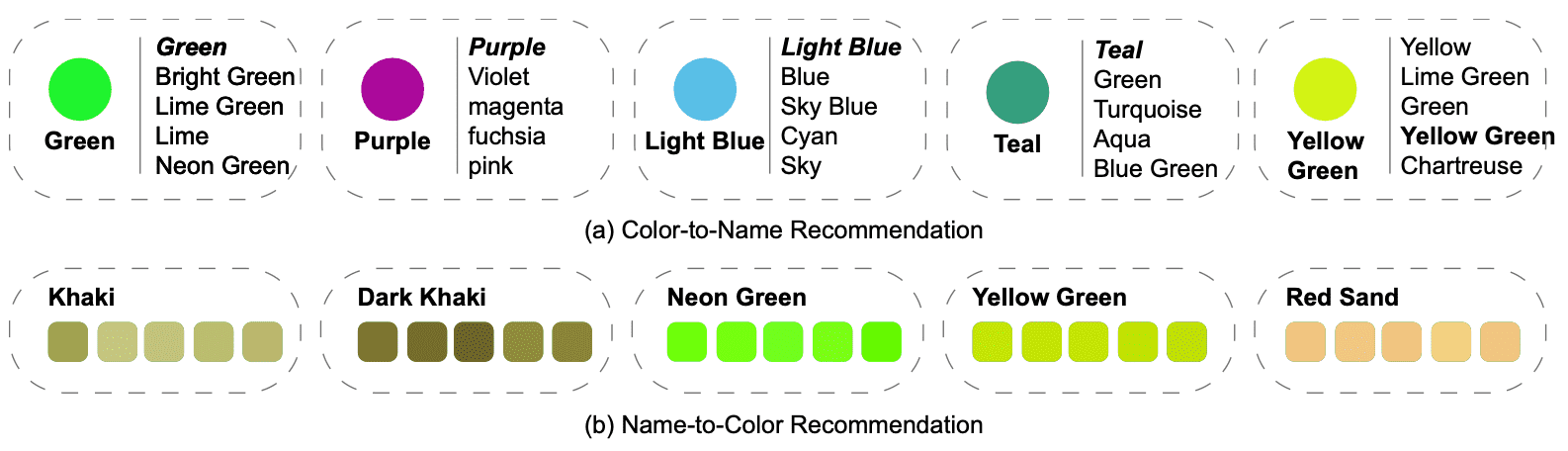
Figure 4: Example naming suggestions and recommended color swatches.